
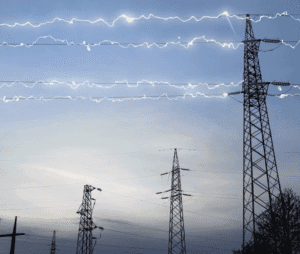
The Infrastructure Imperative
Electric utilities across North America face an unprecedented infrastructure challenge. Aging grid assets, extreme weather events, integration of distributed energy resources, and cybersecurity threats demand modernization investments estimated between $1.5 trillion and $2 trillion through 2030. Yet the fundamental business model – capital-intensive infrastructure funded through regulated rate recovery – is encountering systemic resistance at precisely the moment when investment needs are greatest.
The Rate Recovery Paradox
Utilities operate under a regulatory compact where prudent infrastructure investments are recovered through rates charged to customers. However, this mechanism is breaking down under converging pressures. Residential electricity prices have risen approximately 30% since 2010, outpacing inflation and wage growth in many markets. Ratepayers, particularly residential and small commercial customers, are experiencing acute affordability challenges that translate into political pressure on utility commissions to limit or deny rate increases.
The result is a widening gap between infrastructure needs and regulatory approval. Public utility commissions are increasingly scrutinizing capital expenditures, deferring rate cases, requiring utilities to absorb more costs, and imposing earnings penalties for service reliability failures. Some jurisdictions have implemented multi-year rate freezes despite documented infrastructure deficiencies. This regulatory resistance creates a vicious cycle where deferred maintenance and underinvestment lead to reliability issues, which generate public backlash, which further constrains rate recovery.
Strategic Implications
This tension fundamentally reshapes utility strategy and creates market opportunities for solution providers. Utilities are shifting toward investments that demonstrably reduce operating costs, improve reliability metrics that affect regulatory outcomes, or qualify for alternative funding mechanisms such as performance-based ratemaking or federal infrastructure programs. There is intensifying focus on technologies and services that deliver measurable returns on investment within regulatory review periods, typically three to five years. 4D digital twin platforms enable utilities to visualize infrastructure performance over time, providing the data-driven evidence needed to justify capital expenditures to increasingly skeptical regulators.”
The grid modernization imperative persists regardless of rate recovery challenges – utilities cannot defer safety, reliability, and resilience investments indefinitely. However, vendors and service providers must now demonstrate tangible value propositions that help utilities navigate the cost-recovery gap. Solutions that reduce deployment costs through automation, improve asset utilization to defer capital expenditure, provide granular data to support regulatory cases, or enable new revenue streams are positioned for adoption. The market is bifurcating between utilities in growth regions with supportive regulatory environments and those in mature markets facing rate pressure, requiring tailored commercial approaches.
The Path Forward
Utilities are exploring alternative strategies including performance-based regulation that ties returns to outcomes rather than capital deployment, securitization of infrastructure costs to spread expenses over longer periods, and partnerships that transfer risk and reduce balance sheet impact. For vendors, this environment rewards flexibility in commercial models, proven ROI demonstration capabilities, and deep understanding of regulatory dynamics across jurisdictions. Digital twin technology has emerged as a critical tool for quantifying infrastructure investment benefits in terms regulators understand – improved reliability metrics, reduced outage duration, and optimized maintenance spending. “The companies that succeed will be those that help utilities do more with constrained capital, quantify benefits in regulatory language, and align technology deployment with evolving rate recovery mechanisms. 4D digital twins transform infrastructure data into compelling visual narratives that communicate investment necessity to both regulators and ratepayers.